Prices of Oil Rise Above $100 as the Strait of Hormuz Blockade Puts at Risk Trade Around the World
- Apr 14, 2026
Prices of Oil Rise Above $100 as the Strait of Hormuz Blockade Puts at Risk Trade Around the World
The United States set up a naval blockade in April 2026 to limit Iranian oil exports through the Strait of Hormuz, which is one of the most important energy transit routes in the globe. This caused a lot of trouble in the global energy markets.
The choice was made after peace talks between the US and Iran broke down and tensions in the Middle East increased anew. After the statement, the price of crude oil rose past $100 per barrel. This demonstrated that individuals were anxious about problems with the supply chain and inflationary pressures on the world economy.
As per USA Export Data by Import Globals, the Strait of Hormuz is a very important place for oil and gas trade around the world. Any issues in this small canal can affect trade, shipping, and the stock markets all across the world. These kinds of geopolitical shocks are more likely to affect countries that get most of their energy from other countries, notably in Asia. This blog talks about the latest news on the blockade, the strategic importance of the Strait of Hormuz, how it impacts global energy transportation, and the bigger consequences on international markets in 2025–2026.
The Hormuz Strait is the most important place in the world for energy to go through. Based on Iran Import Export Trade Data by Import Globals, the Strait of Hormuz connects the Arabian Sea, the Persian Gulf, and the rest of the world's oceans. It is one of the most important sea routes for world trade because it carries a lot of energy exports every day. Research shows that about 20–25% of the world's oil trade by water and about 20% of the world's liquefied natural gas (LNG) exports go through the Strait every year.
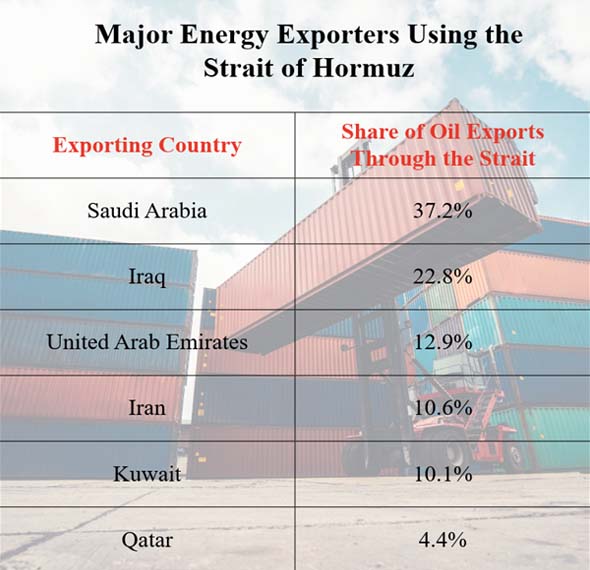
Some of the biggest Gulf oil producers that use the canal as their main export route are Saudi Arabia, Iraq, the United Arab Emirates, Kuwait, Qatar, and Iran. So, any issues in the area right away affect energy markets all around the world. The Strait of Hormuz is an important section of the world's energy supply chain because most of the oil that travels through it comes from these Gulf countries.
The Peace Talks Break Down, and a Naval Blockade is Put in Place
As per USA Import Data by Import Globals, the most recent escalation began when the US and Iran couldn't agree on anything, ending hopes for a ceasefire in the ongoing regional battle. In reaction, U.S. leaders warned they would restrict Iran from shipping oil by putting a naval blockade in place.
After the statement, U.S. Central Command began to prepare to prohibit ships transporting crude oil from heading to Iranian ports. It was said that the blockade was a geopolitical plan that would exert economic pressure on Iran and force safe trade routes to open again.
On the other hand, experts argue that putting up such a blockade is highly hard and could lead to greater military action in the area. Iran has also indicated that these kinds of actions could lead to retaliation, which would make energy markets even more unstable.
Oil Prices Move Rise to Over $100 a Barrel
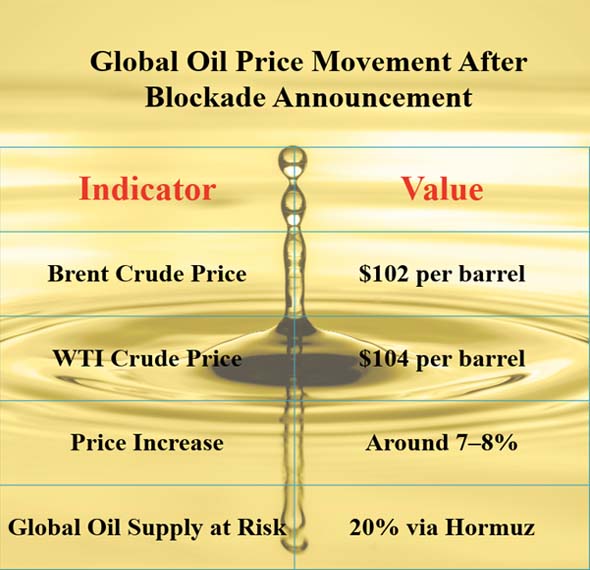
Based on Russia Import Trade Analysis by Import Globals, the news had an immediate effect on the stock market. The price of crude oil around the world went up quickly because traders thought there may be problems with global supply. Reports claim that the price of Brent crude went over $100 per barrel, which is a change from the price decreases that occured after short truce announcements.
The spike indicates how much political tensions in the Middle East still affect the world's energy markets. People's expectations for the market and the prices of items can vary if there is a chance of interruptions. The Energy Sector's Expanding Dangers Are Affecting the Markets Energy Sector's Expanding Dangers Are Affecting the Markets
As per Europe Export Data by Import Globals, when the blockade was declared, stock markets around the world also became more unstable. Higher oil prices were good for energy companies, but bad for businesses that depend on gasoline expenditures.
People were apprehensive about rising jet fuel prices, which caused European airline stocks to go down. But the stock prices of energy corporations, especially big oil companies, went up. Investors are especially worried about inflation threats since rising oil prices make transportation and manufacturing more expensive all across the world. These changes in the market show how closely changes in global commerce routes are connected to changes in financial markets.
Effect on the Global Energy Market
As per Japan Import Data by Import Globals, the blockade might have a big influence on the trade of energy around the world, especially for countries that depend on Gulf oil a lot.
Asia is in more danger than other places since most of the oil that goes through the Strait of Hormuz goes there. It is said that more than 80% of the crude oil that flows through the strait goes to Asian economies.
Some of the biggest buyers are:
- China and India
- Japan
- South Korea
These countries use Gulf crude oil for a lot of things, like building things, moving things, and making electricity.
The World's Supply Chains Are in Danger
The restriction might have an impact on energy markets, marine networks, and supply chains around the world. As per Iran Import Data by Import Globals, the Strait of Hormuz and other important maritime chokepoints are very important for shipping raw commodities, petrochemicals, and fertilizers. The area also gives out a lot of chemicals like ammonia, urea, and others that are needed for farming and making things.
What this Means for the Way Money is Handled and Inflation
When oil prices go up, prices for goods and services around the world often go up too. Because rising energy costs over time could cause inflation to rise, governments and central banks are keeping a tight check on things. Analysts argue that ongoing challenges with energy trading in the Middle East could delay interest rate cuts or perhaps force central banks to tighten monetary policy again.
For example, European officials have indicated that people may have to pay more for products in the coming few months because energy prices are going up. These kinds of economic issues could slow down growth and make it difficult for the world to get back on its feet.
Responses from Major Powers in Global Politics
The blockade has also forced important countries around the world to act diplomatically. China, the country that buys the most crude oil in the world, has begged for calm and called for negotiations between the two sides to avert things from growing worse.
Chinese officials said that it is highly vital for the safety of the world's oil supply and trade to maintain the Strait of Hormuz steady. A lot of countries are apprehensive that long-term concerns could lead to additional unrest or trade challenges in the area.
Long-Term Effects on Trade Around the World
As per USA Export Import Global Trade Data by Import Globals, the Strait of Hormuz dispute highlights how precarious the world's energy supply lines are when two countries are at odds. Even slight difficulties at chokepoints in the ocean can have significant effects on markets around the world.
If tensions stay high, a variety of long-term trends could speed up:
- Different ways to get oil.
- Adding to the strategic petroleum reserves.
- More and more people are putting money into renewable energy.
- As per USA import data by Import Globals, shipping insurance and freight are more expensive currently.
- Countries will probably make their plans for energy security stronger so they don't have to rely on trade routes that are easy to attack.
Last Thoughts
Based on China Import Export Trade Analysis by Import Globals, the 2026 Strait of Hormuz crisis shows how quickly political tensions may affect how the world gets its oil and does business. The U.S. stated it will stop Iranian oil from being shipped by sea. This has made the stock market unstable and pushed the price of crude oil above $100 per barrel.
The Strait of Hormuz is an important shipping route for oil and LNG around the world, so any problems there affect everyone. As fuel prices rise and supply chains become more difficult, energy importers in Asia, industrial economies in Europe, and developing countries all over the world are taking on additional risks.
The international economy is still quite sensitive to what occurs in this important shipping corridor, even while diplomatic talks are going on. In the next few months, energy prices, inflation patterns, and international trade flows will alter a lot, depending on whether the crisis becomes worse or stays the same. Import Globals is a leading data provider of USA Import Export Trade Data.
FAQs
Que. Why is the Strait of Hormuz so vital for trade all over the world?
Ans. A lot of LNG and hydrocarbons go via the Strait of Hormuz. Every year, a lot of LNG and 20% to 25% of the world's oil cargoes pass through it.
Que. What caused the price of oil to rise above $100 a barrel in April 2026?
Ans. After the US stopped exports of oil from Iran by sea, the price of oil went up. This was because importers were worried about problems with supplies.
Que. Which countries are most affected by problems in the Strait of Hormuz?
Ans. China, India, Japan, and South Korea are some of the top purchasers of oil. They are also the most at risk because they get their electricity from the Gulf.
Que. What effect could the ban have on the global economy?
Ans. Disruptions might lead to higher oil prices, higher inflation, clogged shipping routes, and unstable global financial markets.
Que. Where to get detailed USA Import Export Global Data?
Ans. Visit www.importglobals.com.